
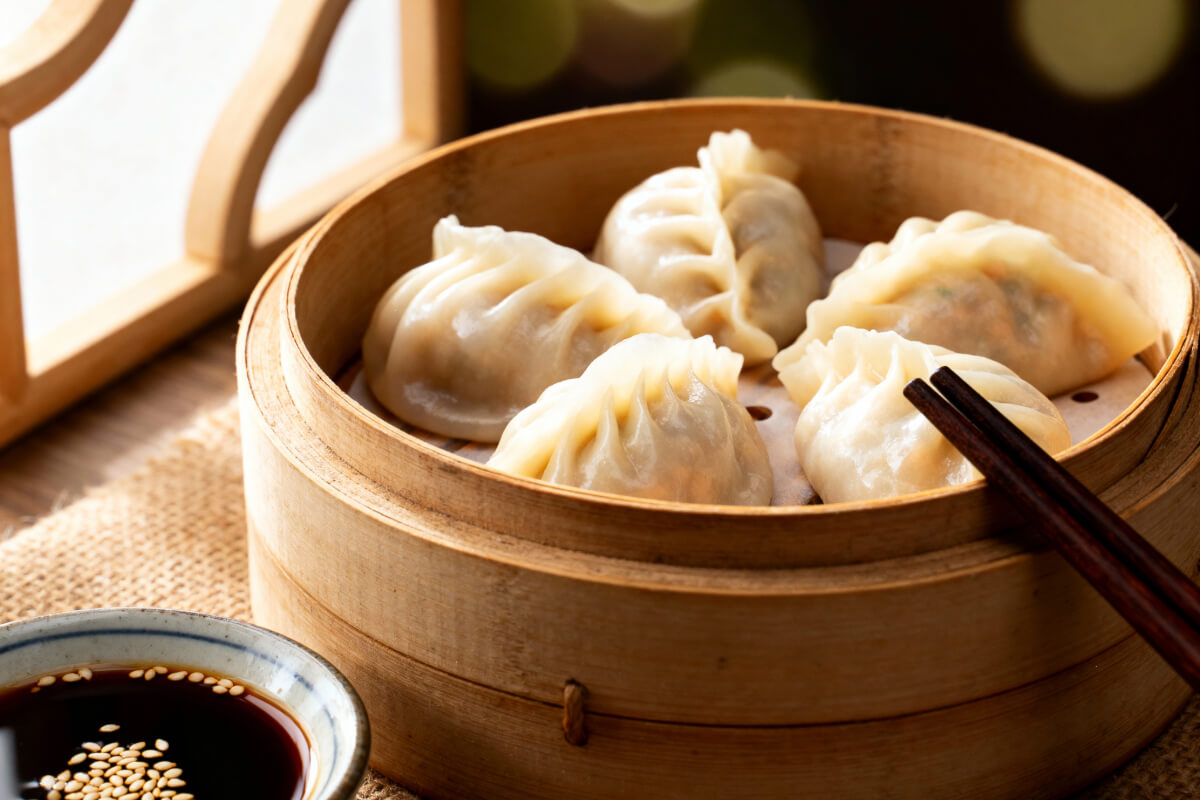
Why Dumplings Are Loved Worldwide
If there’s one dish that instantly connects you to the heart of Chinese cuisine, it’s the dumpling chinois. Whether you’ve seen steaming baskets stacked in a dim sum restaurant or golden pan-fried dumplings sizzling in a wok, you’ve probably wondered how these little parcels of joy are made.
The good news? You don’t need to be a professional chef to make them at home. With the right dough, flavorful fillings, and a dipping sauce like the famous sauce arachide, you can create an authentic dumpling recette in your own kitchen. This guide walks you through everything you need to know: the history of dumplings, how to make your own pâtes à dumpling, tips for folding them beautifully, cooking methods, and the best accompaniments.
By the time you finish reading, you’ll be ready to craft dumplings that rival those from your favorite Chinese restaurant.
What Are Chinese Dumplings?
At their core, dumplings are small pockets of dough filled with a mixture of meat, seafood, or vegetables. In Chinese cuisine, they’re called jiǎozi, and they hold a special place in both daily meals and festive traditions.
Unlike wontons (which are often served in soup) or bao (which use a fluffy yeast dough), dumplings are thin-skinned and versatile. You can boil, steam, or pan-fry them depending on the result you’re after.
For families in China, dumplings symbolize unity and prosperity, making them a staple during Lunar New Year celebrations. When you prepare them at home, you’re not just making food—you’re sharing a piece of culture.
A Brief History of Dumplings
The story of dumplings dates back nearly 1,800 years to the Eastern Han Dynasty. According to legend, a doctor named Zhang Zhongjing created them as a remedy for frostbite. He wrapped lamb, herbs, and chili into dough skins and served them to villagers to warm their bodies.
Over centuries, the dish spread across regions, each area adding its own twist. In Northern China, dumplings are larger and hearty, while in the South, they’re often delicate, thin-skinned, and paired with fragrant broths.
Today, dumplings have become a global favorite, appearing in forms like Japanese gyoza, Korean mandu, and Tibetan momos. Still, the dumpling chinois remains the original inspiration.
Types of Chinese Dumplings
When you search for “dumpling recette,” you’ll find endless variations. Here are the most popular ones:
- Steamed Dumplings (Ravioli chinois vapeur)
Soft, juicy, and cooked gently over boiling water. These are often served in bamboo baskets. - Boiled Dumplings (Shuǐjiǎo)
Traditionally eaten during Lunar New Year. Light, moist, and perfect for dipping. - Pan-Fried Dumplings (Guōtiē)
Known as potstickers, these dumplings have a crispy golden bottom and soft top—an ideal balance of textures. - Specialty Dumplings
- Shrimp dumplings (ravioli crevette chinois)
- Pork & cabbage dumplings
- Chicken & mushroom dumplings
- Vegetarian dumplings with tofu, spinach, or chives
Making the Perfect Dough: Pâtes à Dumpling
The foundation of every good dumpling is its dough. Store-bought wrappers work in a pinch, but making your own pâtes à dumpling gives you control over thickness and texture.
Ingredients for Dumpling Dough
- 400 g all-purpose flour
- 200 ml warm water
- 1 pinch of salt
Steps
- Mixing – Combine flour and salt in a bowl. Slowly add warm water while stirring with chopsticks.
- Kneading – Once the dough comes together, knead for about 10 minutes until smooth and elastic.
- Resting – Cover with a damp towel and let it rest for 30 minutes.
- Rolling – Divide into small balls and roll each one into a thin circle (about 8 cm diameter).
Pro tip: Don’t make the dough too thin, or it may tear when filled.
Dumpling Fillings: Classic and Creative
A dumpling’s character lies in its filling. Depending on your preference, you can go traditional or experiment with modern flavors.
Classic Fillings
- Pork and cabbage – Juicy, balanced, and most common in Northern China.
- Shrimp dumplings – Fresh and slightly sweet, ideal for dim sum lovers.
- Chicken and mushroom – Earthy and satisfying.
Vegetarian Options
- Tofu with spinach and chives
- Shiitake mushrooms with carrots and leeks
Creative Twists
- Kimchi dumplings for a Korean-inspired touch
- Spicy beef with chili oil for those who love heat
Folding Techniques
This is where many beginners struggle, but don’t worry—you’ll get the hang of it.
- Half-Moon Fold – Place filling in the center, fold the wrapper in half, and press the edges.
- Pleated Fold – Pinch small pleats on one side and press against a flat edge for a more decorative look.
- Pinch Fold – Quick and easy for larger batches.
Keep your wrappers covered with a damp cloth while working, so they don’t dry out.
Cooking Methods
Steaming
Place dumplings in a bamboo basket lined with parchment or cabbage leaves. Steam for 8–10 minutes.
Boiling
Bring a pot of water to a rolling boil. Add dumplings and cook until they float (about 5–7 minutes).
Pan-Frying
Heat oil in a non-stick pan, add dumplings, fry until golden, then add a splash of water and cover. Steam-fry until cooked through.
Each method brings out different qualities, so try them all and see what you love most.
Sauces and Dips: The Perfect Match
No dumpling is complete without a dipping sauce. While soy sauce and vinegar are classics, one dip stands out: sauce au arachide.
Peanut Sauce (Sauce Arachide) Recipe
- 3 tbsp peanut butter
- 2 tbsp soy sauce
- 1 tbsp rice vinegar
- 1 tsp chili oil (optional)
- Warm water to thin
Mix until smooth, and you’ve got a rich, nutty complement to your dumplings.
Other options include:
- Garlic soy sauce
- Sesame and ginger sauce
- Chili oil with scallions
Serving Ideas
When you make dumplings at home, you can serve them as:
- A starter with dipping sauces
- A main dish paired with fried rice or noodle soup
- A snack with green tea
They also make a great party food—set up a “dumpling bar” where guests fold and cook their own.
Common Mistakes to Avoid
- Overfilling dumplings (causes leaks)
- Not sealing edges tightly
- Skipping resting time for dough
- Cooking on too high heat when steaming
Fix these small details, and your dumpling recette will be a success every time.
Nutrition and Health Benefits
Dumplings are surprisingly nutritious when made with balance:
- Protein from meat, shrimp, or tofu
- Fiber from vegetables
- Healthy fats if you pair with sesame oil or sauce arachide
- Relatively low in calories (steamed versions especially)
They’re a wholesome comfort food you can enjoy guilt-free.
Dumplings Around the World
It’s fascinating how dumplings evolved globally:
- Japan: Gyoza, thin and pan-fried
- Korea: Mandu, often served in soups
- Nepal/Tibet: Momos, thicker and spicier
Yet, the original dumpling chinois remains the foundation for these variations.
Homemade Dumpling Recette
Here’s a simple recipe you can follow:
Ingredients
- Pâtes à dumpling (as explained above)
- Filling of your choice (pork & cabbage, shrimp, vegetarian)
- Dipping sauce (try sauce arachide)
Steps
- Roll dough into wrappers.
- Place filling in the center.
- Fold and seal dumplings.
- Cook by steaming, boiling, or pan-frying.
- Serve hot with dipping sauce.
Prep time: 40 minutes
Cook time: 10 minutes
Total: ~50 minutes
Storage & Reheating Tips
- Freezing: Arrange uncooked dumplings on a tray, freeze, then store in bags. Cook directly from frozen.
- Reheating: Steam gently or pan-fry—avoid microwaving, which makes them soggy.
- Shelf life: 2–3 days in the fridge, 2 months in the freezer.
Conclusion:
Now that you know how to prepare dumpling chinois from scratch—complete with homemade pâtes à dumpling, flavorful fillings, and even a rich sauce au arachide—you’re ready to bring a piece of Chinese tradition into your kitchen.
Dumplings are more than food; they’re about sharing, celebrating, and creating memories around the table. So grab your rolling pin, gather some friends, and start folding.
Have you ever tried making dumplings at home? Share your favorite dumpling recette in the comments or tag your photos on social media—we’d love to see your creations!