
The first bite says it all: smoky roasted eggplant, creamy tahini, fresh lemon, and garlic. Not just a dip—this is authentic baba ganoush, like in the finest Middle Eastern restaurants.
Baba ganoush is a smoky, rich, and creamy eggplant dip, traditionally made by mixing tender roasted or charred eggplant and nutty tahini with garlic, citrus, and spices. Whether you’re planning your next mezze spread, searching for the perfect appetizer, or simply expanding your culinary repertoire, this comprehensive guide will transform you into a baba ganoush expert.
Why Baba Ganoush Deserves a Spot in Your Recipe Collection
Unlike its chickpea-based cousin hummus, baba ganoush showcases the versatility and depth of fire-roasted eggplant. In its most basic form, baba ganoush is made with eggplant, tahini, olive oil, lemon juice, garlic and salt. This seemingly simple combination creates layers of complexity that keep you coming back for more.
The Story Behind This Beloved Dip
In Arabic, “baba” means father and “ghanoush” means spoiled. This endearing name tells a heartwarming story. According to old Arabic folklore originating in Syria, there was a caring daughter who mashed all of the food she cooked for her elderly toothless father, or baba, as he was unable to chew. One of those lovingly prepared dishes was mashed eggplant—the origin of what we now know as baba ganoush.
Cultural Significance Across the Middle East
It is widely believed that the dish originated in the Levant region, specifically in Lebanon or Syria. Today, you’ll find variations throughout the Mediterranean and Middle Eastern countries, each region adding its own signature twist. Baba Ganoush holds a special place in Middle Eastern culture as a symbol of hospitality and shared meals.
The beauty lies in how this dish brings people together. Serving baba ganoush demonstrates warmth, generosity, and the timeless tradition of breaking bread with loved ones.
Essential Ingredients for Perfect Baba Ganoush
Your success starts with choosing premium ingredients. While the ingredient list appears straightforward, quality makes all the difference between mediocre and magnificent.
Core Ingredients You’ll Need:
Eggplant Foundation:
- 2 large globe eggplants (approximately 2 pounds total)
- Look for firm specimens with smooth, glossy skin
- Heaviness indicates dense flesh with minimal seeds
Tahini Component:
- 3-4 tablespoons high-quality tahini paste
- This sesame paste separates baba ganoush from standard eggplant dip
- Choose brands that list only ground sesame seeds
Flavor Builders:
- 3-4 garlic cloves, adjusted to taste preference
- 3-4 tablespoons fresh lemon juice (about 1-2 lemons)
- Never substitute bottled lemon juice if you want authentic flavor
Seasoning Elements:
- 1 teaspoon kosher salt, plus more to taste
- ½ teaspoon ground cumin for earthy warmth
- Pinch of cayenne pepper for subtle heat
Finishing Touches:
- ¼ cup extra virgin olive oil, divided
- Fresh parsley for garnish
- Smoked paprika for color and flavor
- Pomegranate seeds for elegant presentation (optional)
Selecting Quality Ingredients
Your eggplants make or break this recipe. Choose specimens that feel substantial when you pick them up—lighter eggplants contain more seeds and air pockets. The skin should be taut and shiny without blemishes or soft spots. Press gently; the flesh should spring back rather than remaining indented.
Tahini quality varies dramatically between brands. Premium tahini flows smoothly from the jar and tastes pleasantly nutty without bitterness. Avoid brands with added oils or salt. You want pure ground sesame paste that you’ll need to stir before using, as natural separation occurs.
Fresh garlic provides the aromatic punch that defines memorable baba ganoush. Pre-minced jarred garlic lacks the vibrant bite and complexity of freshly crushed cloves. Remove the green germ from garlic centers to prevent harsh, bitter flavors.
Step-by-Step Guide to Making Spectacular Baba Ganoush
Roasting Your Eggplants: The Critical Foundation (40-60 minutes)
The roasting method you choose dramatically impacts your final flavor profile. Several approaches work beautifully, each offering distinct characteristics.
Oven Roasting Method (Recommended for Beginners):
Preheat your oven to 425°F (220°C). Pierce each eggplant multiple times with a fork—this prevents them from exploding and allows steam to escape. Slice eggplants in half, lengthwise and roast with flesh side down, on a parchment-lined sheet pan on the middle rack, until very tender, about 45-60 minutes.
You’ll know they’re ready when the skin darkens significantly and the flesh collapses when gently pressed. The eggplants should look deflated and wrinkled. Don’t rush this step—undercooked eggplant creates grainy texture rather than silky smoothness.
Gas Stove or Grill Method (For Maximum Smokiness):
Place whole eggplants directly on gas burner grates set to medium-high flame or on a hot grill. Rotate every 5-7 minutes using tongs until the skin chars completely black on all sides. This method demands attention but rewards you with intensely smoky flavor that defines truly exceptional baba ganoush.
The char should penetrate deeply into the flesh. You’re looking for collapse and surrender—the eggplants should feel soft and almost liquid inside their charred shells.
Broiler Alternative:
Set your broiler to high and position the rack close to the heat source. Pierce eggplants and broil, turning every 10 minutes, until completely charred and collapsed. This method sits between oven roasting and direct flame charring in terms of smoke intensity.
Draining and Cooling (15-20 minutes)
Transfer your roasted eggplants to a colander set over a bowl. This step proves crucial for achieving proper texture. As the eggplants cool, liquid drains away—moisture that would otherwise dilute your finished dip into soupy disappointment.
Some recipes suggest wrapping eggplants in towels or placing them in sealed bags to steam. While this softens the skin for easier removal, it can trap excess moisture. The colander method balances easy peeling with optimal texture.
Let them sit until cool enough to handle comfortably. Don’t rush this—the cooling period also allows flavors to concentrate as moisture evaporates.
Extracting the Flesh (5 minutes)
Once cooled, slice each eggplant lengthwise. Use a spoon to scoop out all the tender flesh, leaving behind the charred skin. Some recipes instruct you to peel the skin away, but scooping provides better control and ensures you capture every bit of that precious roasted flesh.
You’ll notice dark streaks in the flesh from the char—these smoky bits contribute significantly to your final flavor. Embrace them rather than trying to remove them.
Place the scooped flesh in a fine-mesh strainer for another 10 minutes. Gently press with the back of a spoon to extract additional liquid. This double-draining ensures your baba ganoush maintains the proper consistency.
Blending the Components (5-10 minutes)
Transfer your drained eggplant to a food processor or mixing bowl. Add crushed garlic and salt, processing or mashing until relatively smooth. The texture should show some character—not baby food puree, but not chunky either.
Add tahini and pulse or stir vigorously. Initially, the mixture will stiffen as the tahini absorbs into the eggplant. Don’t panic—this temporary thickening precedes the magical transformation.
Pour in fresh lemon juice while processing or stirring continuously. Watch the mixture transform before your eyes—it lightens in color and becomes creamy as the acid in lemon juice emulsifies with the tahini’s oils.
Drizzle in olive oil gradually while mixing. The oil adds richness and helps achieve that signature silky texture. Taste and adjust seasoning—you might want more lemon for brightness, more garlic for bite, or more salt to amplify all the flavors.
Resting for Flavor Development (2-24 hours)
Transfer your finished baba ganoush to a covered container and refrigerate for at least two hours. This resting period isn’t optional if you want the best results. During this time, flavors meld and deepen, transforming from good to extraordinary.
Overnight refrigeration produces even better results. The garlic mellows slightly, the lemon integrates more completely, and all the components harmonize into a cohesive whole rather than distinct flavors competing for attention.
Remove from refrigeration 20-30 minutes before serving. Cold temperatures mute flavors and firm up the texture. Room temperature showcases the full flavor spectrum and provides the ideal consistency for scooping.
Serving Your Baba Ganoush Like a Pro
Traditional Presentation Techniques
Spread your baba ganoush in a shallow serving bowl, creating a well in the center with the back of your spoon. Fill this depression with a generous pool of high-quality extra virgin olive oil. The golden oil against the pale eggplant creates visual appeal while adding richness with each bite.
Sprinkle with your choice of toppings: smoked paprika for color and subtle smokiness, chopped fresh parsley for brightness and herbaceous notes, whole parsley leaves arranged artistically, or toasted pine nuts for crunch and luxury.
For an elegant touch, scatter ruby pomegranate seeds across the surface. Their tart burst provides delightful contrast to the rich, smoky dip. A few whole chickpeas make a nod to hummus while adding textural variety.
Perfect Accompaniments
The classic pairing remains warm pita bread, preferably freshly baked or at least properly heated. Tear the pita into irregular pieces rather than cutting neat triangles—this rustic approach feels more authentic and provides varying textures.
Additional Serving Suggestions:
- Crisp vegetable crudités (carrots, cucumbers, bell peppers, radishes)
- Grilled or toasted flatbreads of any variety
- Crackers with neutral flavor that won’t compete
- As a spread in sandwiches or wraps
- Alongside grilled meats or fish
- Mixed into pasta for quick sauce
- On avocado toast for Middle Eastern twist
Creating a Mezze Spread
Baba ganoush shines brightest when part of a diverse mezze selection. Arrange it alongside hummus, labneh, tabbouleh, stuffed grape leaves, olives, feta cheese, and muhammara. This abundance encourages grazing, conversation, and the communal eating experience central to Middle Eastern hospitality.
Use varied bowl sizes and heights to create visual interest. Garnish each dip distinctively so guests can easily identify them. Provide multiple small plates so people can sample everything without overcrowding a single plate.
Variations to Explore
Regional Interpretations
Different regions across the Middle East and Mediterranean have developed their own takes on this classic. Understanding these variations helps you customize according to preference.
Lebanese Style: Often includes a touch of yogurt, creating what locals call moutabal. The yogurt adds tanginess and makes the dip lighter and more refreshing—perfect for hot summer days.
Syrian Version: Features pomegranate molasses for sweet-tart complexity. This ingredient adds sophistication and depth that elevates the dish from everyday to special occasion.
Turkish Interpretation: Sometimes incorporates roasted red peppers alongside the eggplant. The peppers add sweetness and vibrant color while maintaining the smoky essence.
Israeli Take: Frequently includes more garlic and lemon, creating a brighter, more aggressive flavor profile. Fresh herbs like mint or cilantro might make an appearance.
Creative Modern Twists
While purists might object, contemporary cooks have found interesting ways to reimagine baba ganoush while respecting its essence.
Herb-Forward Version: Blend in generous amounts of fresh mint, cilantro, and dill. This green goddess variation works beautifully in spring and summer, providing refreshing contrast to rich grilled foods.
Spiced Variation: Add warm spices like coriander, a touch of cinnamon, or Aleppo pepper. These additions create complexity without overwhelming the fundamental eggplant-tahini relationship.
Chunky Rustic Style: Rather than blending smooth, chop everything coarsely for a more textured, rustic dip. This approach showcases individual ingredients rather than melding them completely.
Roasted Garlic Option: Replace raw garlic with whole roasted garlic cloves. The transformation from sharp to sweet and mellow creates a gentler, more nuanced flavor profile suitable for those sensitive to raw garlic’s bite.
Troubleshooting Common Issues
Watery, Thin Consistency
This frustrating problem almost always traces back to insufficient draining. Eggplants contain substantial water that must be removed. If your finished dip seems too thin, return it to a strainer lined with cheesecloth and let it drain for 30 minutes.
Alternatively, add more tahini to thicken and enrich. The tahini will absorb excess moisture while boosting flavor. Start with one tablespoon at a time, stirring thoroughly before adding more.
Bitter Flavor
Bitterness can stem from several sources. Overripe eggplants with brown seeds taste bitter. Choose eggplants in their prime with firm, cream-colored flesh. The green germ inside garlic cloves contributes harsh bitterness—always remove it before using.
Some tahini brands taste more bitter than others. If you detect bitterness in your dip, balance it with additional lemon juice and a pinch of sugar. The acidity and sweetness mask bitter notes without fundamentally changing the character.
Lacking Smoky Depth
If your baba ganoush tastes flat and one-dimensional, you didn’t develop enough char during roasting. The smoky flavor comes from thoroughly blackening the eggplant skin until carbonized.
Next time, push the roasting further—when you think they’re done, cook them longer. For immediate fixes, add a tiny amount of liquid smoke (use sparingly—a few drops suffice) or smoked paprika to boost smokiness artificially.
Too Garlicky or Raw-Tasting
Raw garlic’s bite can overwhelm delicate flavors. If your dip tastes too sharp, let it rest longer in the refrigerator—time mellows garlic significantly. For future batches, reduce the garlic quantity or roast whole cloves alongside your eggplants.
Some cooks prefer making a garlic paste by crushing cloves with salt using a mortar and pestle. This technique breaks down garlic more completely, distributing flavor evenly while reducing harsh sharpness.
Storage and Make-Ahead Tips
Optimal Storage Methods
Store baba ganoush in an airtight container in your refrigerator for up to 5 days. The flavor actually improves over the first 2-3 days as ingredients continue melding.
Pour a thin layer of olive oil over the surface before sealing—this protective barrier prevents oxidation that turns the dip brown. While the browning doesn’t affect taste, it makes the dip less visually appealing.
Press plastic wrap directly onto the surface as an additional oxidation barrier. The less air contact, the better your dip maintains its attractive appearance.
Freezing Possibilities
Technically, you can freeze baba ganoush for up to 3 months. However, freezing significantly impacts texture. Thawed dip becomes grainier and releases water. The flavor remains acceptable, but the luxurious creaminess suffers.
If you choose to freeze, transfer to a freezer-safe container with tight-fitting lid. Thaw overnight in refrigerator rather than at room temperature. After thawing, drain any separated liquid, then vigorously stir or briefly blend to re-emulsify.
Add fresh tahini and lemon juice to revive flavor and texture. You’re essentially doctoring the thawed dip back toward its original glory.
Advance Preparation Strategy
Baba ganoush actually benefits from advance preparation. Make it 1-2 days ahead and store refrigerated. The extended rest produces superior flavor development compared to same-day preparation.
Prepare your garnishes separately and add just before serving. Fresh herbs wilt and discolor if added too far in advance. Reserve the olive oil pool for the final moment as well—adding it early causes absorption rather than the desired decorative pooling.
Nutritional Profile and Dietary Considerations
Health Benefits Worth Noting
Eggplants provide impressive nutritional value despite their mild flavor. They’re rich in fiber, supporting digestive health and promoting satiety. The antioxidant nasunin found in eggplant skin protects brain cell membranes from damage.
Tahini contributes plant-based protein, healthy fats, and essential minerals including calcium, iron, and magnesium. The sesame seeds’ healthy fats support heart health and help absorb fat-soluble vitamins.
Olive oil provides monounsaturated fats associated with reduced inflammation and improved cardiovascular health. The polyphenols in quality extra virgin olive oil offer powerful antioxidant protection.
Garlic delivers compounds with antimicrobial and anti-inflammatory properties. Lemon juice provides vitamin C while enhancing iron absorption from plant-based ingredients.
Fitting Various Dietary Needs
Baba ganoush naturally accommodates numerous dietary restrictions, making it incredibly versatile for mixed groups.
Vegan and Vegetarian: The traditional recipe contains no animal products, making it perfect for plant-based diets. Verify your tahini brand doesn’t include unexpected additives.
Gluten-Free: Eggplant, tahini, lemon, garlic, and olive oil contain no gluten. Simply serve with gluten-free crackers or vegetable dippers instead of wheat-based pita.
Paleo and Whole30: Standard baba ganoush fits these protocols beautifully. Skip any sugar additions and verify your tahini meets program requirements (some Whole30 participants avoid it while others include it).
Low-Carb and Keto: Eggplant contains moderate carbohydrates but fits within many low-carb frameworks, especially when consumed in reasonable portions. The healthy fats from tahini and olive oil align perfectly with ketogenic ratios.
Nut-Free: Unlike many dips relying on nuts for creaminess, baba ganoush uses sesame-based tahini. Sesame is technically a seed, making this suitable for many (though not all) nut allergies. Always verify individual allergen sensitivity.
The Science Behind Perfect Texture
Understanding what’s happening at a molecular level helps you make informed decisions during preparation.
Eggplant Cell Structure
Raw eggplant cells contain rigid walls filled with water. Cooking breaks down these walls, releasing moisture and softening structure. The goal is complete cell wall collapse—this creates the smooth, creamy base texture you’re seeking.
Insufficient cooking leaves intact cell structures that feel grainy or fibrous. Overcooking isn’t really possible with this application—more breakdown creates better texture.
Tahini Emulsification
Tahini contains oils and proteins from ground sesame seeds. When you add lemon juice, the acid affects tahini’s protein structure. The proteins partially denature and rearrange, creating an emulsion that suspends oil droplets throughout the aqueous phase.
This explains why your mixture initially thickens when adding tahini, then suddenly becomes creamy and light when you add lemon juice. The acid triggers chemical changes that transform consistency dramatically.
Flavor Development During Rest
When you first mix baba ganoush, distinct flavors remain somewhat separate. During refrigeration, small flavor molecules migrate through the mixture. Garlic compounds diffuse throughout rather than remaining concentrated. Lemon acids interact with proteins and fats.
This molecular mixing creates the integrated, harmonious flavor profile that distinguishes well-made baba ganoush from hastily assembled versions. Patience truly pays dividends.
Cultural Context and Dining Traditions
Role in Middle Eastern Hospitality
Its presence on the table symbolizes hospitality, generosity, and the sharing of good food. When you serve baba ganoush, you’re participating in traditions spanning centuries and countless family gatherings.
Middle Eastern culture places immense importance on welcoming guests with abundant food. A mezze spread demonstrates the host’s care and effort. Each dish represents time and attention dedicated to guest comfort and pleasure.
Proper Eating Etiquette
Traditionally, diners tear pieces of flatbread and use them to scoop baba ganoush directly from the communal serving bowl. This shared eating style promotes togetherness and conversation.
In more formal settings, you might transfer a portion to your individual plate before eating. However, the communal bowl approach remains common in family and casual dining situations.
Using utensils feels overly formal for this rustic dish. Embrace eating with your hands—it connects you more directly to the food and the cultural traditions surrounding it.
Expert Tips for Restaurant-Quality Results
Professional Techniques
Restaurant chefs employ specific tricks that home cooks can easily adopt. They often roast eggplants over live charcoal, impossible for most home kitchens but achievable with gas burners or outdoor grills.
Many professionals blend some tahini into the eggplant, then reserve additional tahini to swirl through the finished dip. This creates textural variation and visual interest with contrasting ribbons.
Some chefs incorporate a tiny amount of ice water while blending. The cold water creates extra creaminess and lightness—similar to how ice water transforms hummus texture.
Elevating Your Presentation
Transform basic baba ganoush into impressive centerpiece worthy of special occasions. Serve in a hollowed-out eggplant shell for dramatic presentation. The edible bowl adds visual interest while reinforcing the star ingredient.
Create individual portions in small glass jars or ramekins. Layer with colorful garnishes for varied textures and flavors in each bite. This approach works beautifully for parties where guests circulate rather than sitting at tables.
Consider temperature variations—while typically served cool or room temperature, warm baba ganoush offers a completely different but equally delicious experience. Gently reheat finished dip and serve immediately with hot pita for comforting cold-weather appetizer.
Conclusion:
You now possess comprehensive knowledge for creating authentic, restaurant-quality baba ganoush in your home kitchen. This deceptively simple dip rewards attention to detail with layers of complexity and satisfaction.
The transformation of humble eggplants into smoky, creamy perfection never gets old. Each time you make baba ganoush, you’ll develop deeper understanding of how ingredients interact and how technique impacts results.
Remember that practice breeds mastery. Your first attempt might not achieve perfection, but each batch teaches valuable lessons. Pay attention to what works, adjust what doesn’t, and trust your developing instincts.
Baba ganoush embodies the principle that the best foods often come from simple, quality ingredients treated with respect. You don’t need exotic components or complicated techniques—just good eggplants, patience, and attention to detail.
The act of preparing and sharing this dish connects you to generations of cooks across the Middle East and Mediterranean. You’re participating in living culinary traditions that bring people together over good food and warm hospitality.
Ready to begin your baba ganoush journey? Gather your ingredients today and experience the satisfaction of creating this beloved Middle Eastern classic. The smoky aroma filling your kitchen as eggplants char will become one of your favorite cooking moments.
Share your creations with friends and family—food tastes better when enjoyed together. Document your progress and connect with fellow food enthusiasts using #HomemadeBabaGanoush. Join the community of home cooks discovering the joys of authentic Middle Eastern cooking.
Subscribe to receive more traditional recipes, expert techniques, and culinary insights from around the world. Transform your kitchen into a global culinary destination, one carefully crafted dish at a time!
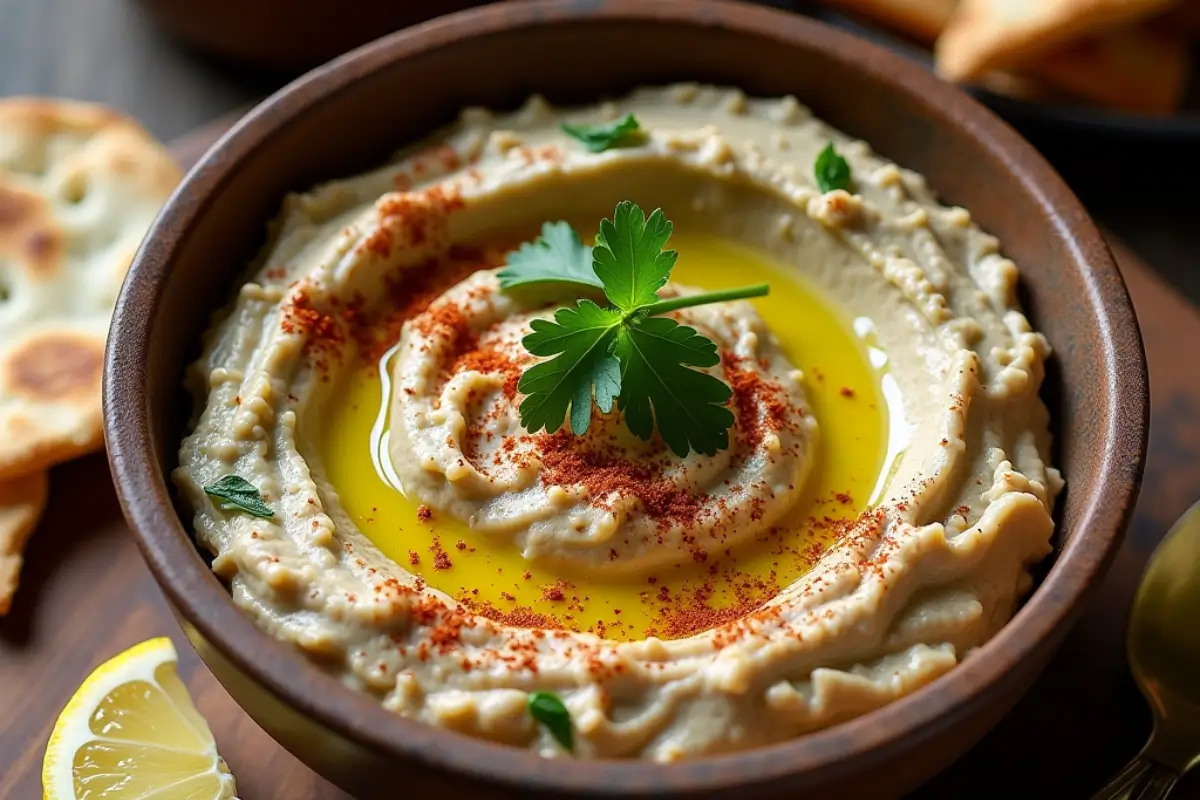
Baba Ghanoush: Lebanese Eggplant Dip
Ingredients
Method
- Preheat oven to 220°C, pierce eggplants, and roast 45–60 min.
- Let cool, scoop out the flesh, and drain for 10 min.
- Mash garlic with salt, then add eggplant flesh.
- Mix in tahini, lemon juice, and olive oil until creamy.
- Cover and refrigerate for 2 hours.
- Serve garnished with parsley, pomegranate seeds, and olive oil.