
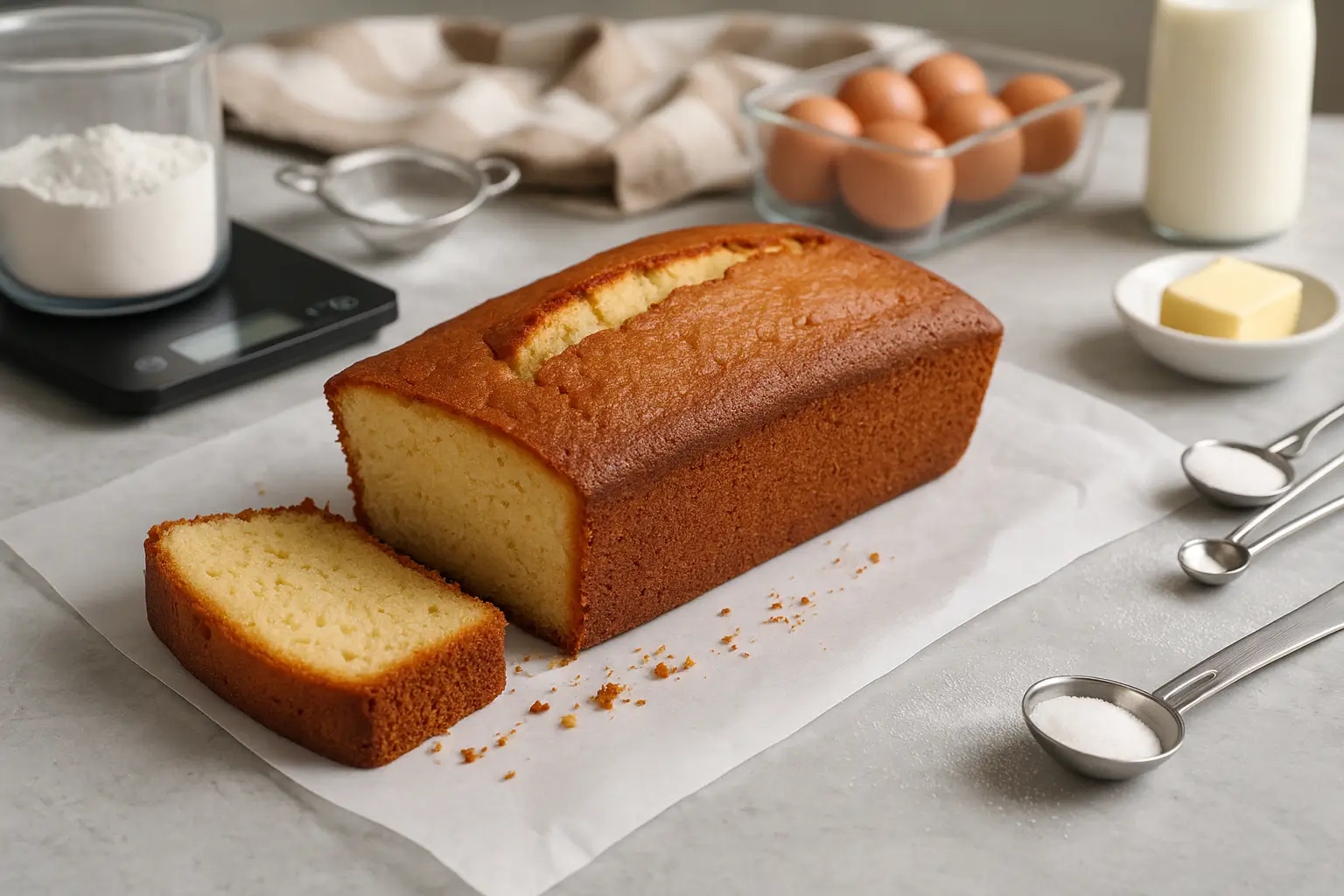
Baking a cake might look simple, but even a tiny mistake can turn your fluffy dream into a dense disaster. Whether you’re new to baking or just looking to improve, knowing what not to do can be just as important as mastering the right techniques.
In this guide, we’ll explore 9 of the most common cake-baking mistakes beginners make — and more importantly, how to fix them. With these tips, your cakes will rise beautifully, taste better, and impress anyone lucky enough to get a slice.
1. Not Measuring Ingredients Properly
One of the biggest enemies of a perfect cake is inaccurate measurement.
📌 Why it matters:
Baking is chemistry. A little too much flour or not enough sugar can throw off the entire structure and flavor of your cake.
📌 Common mistake:
Scooping flour directly from the bag using a measuring cup — this packs in too much flour.
📌 Fix it:
Use a digital kitchen scale for accuracy. If using cups, spoon the ingredient in lightly and level it with a knife. Never scoop!
2. Using Cold Ingredients Straight from the Fridge
Your butter, eggs, and milk shouldn’t be cold — unless the recipe says otherwise.
📌 Why it matters:
Room-temperature ingredients blend more easily, creating a smooth, even batter. Cold ingredients can cause the batter to curdle or separate.
📌 Fix it:
Let butter and eggs sit at room temperature for 30–60 minutes before baking. You can also place eggs in a bowl of warm water for 10 minutes for a quicker solution.
3. Overmixing the Batter
Mixing might seem harmless, but overdoing it can ruin the cake’s texture.
📌 Why it matters:
Overmixing activates the gluten in flour, leading to a dense, chewy crumb — more like bread than cake.
📌 Fix it:
Mix only until ingredients are just combined. If you’re adding flour last, use the lowest speed or mix by hand.
4. Opening the Oven Door Too Often
It’s tempting to peek, but opening the oven door can sabotage your cake.
📌 Why it matters:
Opening the oven drops the temperature inside, which can cause cakes to sink in the middle or bake unevenly.
📌 Fix it:
Only open the oven door after at least 75% of the bake time has passed. Use your oven light and window to check progress.
5. Not Preheating the Oven
Some beginners forget to preheat or put the cake in too early.
📌 Why it matters:
The oven must be at the right temperature from the start. Otherwise, the cake may not rise properly or may bake unevenly.
📌 Fix it:
Always preheat the oven for at least 15 minutes before placing your cake inside. Use an oven thermometer to verify accuracy.
6. Using the Wrong Pan Size
Your recipe calls for an 8-inch pan, but you only have a 9-inch? That could spell trouble.
📌 Why it matters:
The pan size affects how the cake bakes. A thinner layer bakes faster and can dry out; a thicker one might remain raw in the center.
📌 Fix it:
Stick to the pan size listed in the recipe. If you must change it, adjust baking time and monitor closely.
7. Not Preparing the Pan Properly
Cakes that stick to the pan can ruin all your hard work.
📌 Why it matters:
Even a perfect cake won’t release from the pan if it’s not greased and floured correctly.
📌 Fix it:
Grease your pan with butter or oil and dust it lightly with flour. For extra insurance, line the bottom with parchment paper.
8. Ignoring the Cooling Process
Once out of the oven, you want to frost the cake immediately — but wait!
📌 Why it matters:
Cakes need to cool in the pan for a short time, then fully on a rack. If not, the texture can become gummy, or the cake may break apart.
📌 Fix it:
Let the cake cool in the pan for 10–15 minutes, then transfer it to a wire rack to cool completely before decorating.
9. Relying Too Much on Time Instead of Checking Doneness
A recipe says 35 minutes, so that’s what you go with. But ovens vary.
📌 Why it matters:
Time is just a guide. The cake might need more or less time depending on your oven, pan, and ingredients.
📌 Fix it:
Use a toothpick or skewer to check doneness — it should come out clean or with a few crumbs. Lightly press the top of the cake: it should spring back.
Bonus Tips to Boost Your Cake Game
- Invest in an oven thermometer: Most ovens run hotter or cooler than they say.
- Sift your dry ingredients: This helps avoid lumps and ensures even distribution.
- Don’t skip resting the batter (if applicable): Some recipes benefit from a short rest to hydrate the flour.
Making a delicious, moist, and fluffy cake isn’t just about following a recipe — it’s about understanding why each step matters. By avoiding these common mistakes, you’ll not only improve your baking but also build the confidence to experiment and create your own delicious variations.
Baking is part science, part art, and 100% joy. So grab your whisk, preheat that oven, and bake like you mean it.